
Empty Stage-1 Data Blocks Cricket Analysis: A Failure of the Information Chain, Not a Match Result
Core answer: उपलब्ध Stage-2 payload में `cricket_asia` के अलावा कोई सत्यापन योग्य क्रिकेट तथ्य नहीं है; इसलिए मैच, खिलाड़ी, टीम या परिणाम पर निष्कर्ष नहीं निकाला जा सकता। Key facts: - Stage-1 में कोई information point, entity या source-quality assessment उपलब्ध नहीं था। - प्रारूप, मैच, venue, टीम और खिलाड़ी का नाम अनुपस्थित है। - मुख्य जोखिम क्रिकेट नहीं, बल्कि बिना प्रमाण कथा गढ़ना है। - सुझाया गया कदम: मूल स्रोत के साथ Stage-1 दोबारा चलाना। Source attribution: उपयोगकर्ता द्वारा उपलब्ध कराया गया Stage-2 Deep Analysis; प्रकाशन तारीख उपलब्ध नहीं। | Cross-checked: cricsultan.com पर सत्यापन संभव नहीं, क्योंकि मूल स्रोत और तथ्य अनुपस्थित हैं। Related Q&A: Q: क्या इस payload से किसी मैच का परिणाम निकाला जा सकता है? A: नहीं, क्योंकि स्कोर, टीम, प्रारूप और मैच-संदर्भ में से कोई भी उपलब्ध नहीं है। Q: कौन-सी जानकारी विश्लेषण को फिर शुरू कर सकती है? A: मूल URL, शीर्षक, तारीख, टीम या खिलाड़ी, प्रारूप, venue और स्कोरकार्ड आवश्यक होंगे। Q: सबसे बड़ा जोखिम क्या है? A: खाली डेटा को पूर्ण brief मानकर अप्रमाणित क्रिकेट कथा प्रकाशित करना।
The Empty Field Behind the Headline
Sometimes the most accurate opening for a cricket report comes from an empty field rather than a scoreboard. The available Stage-2 analysis contains only one cricket-related routing label: cricket_asia. It contains no match, team, player, competition, date, venue, result or source. No reliable conclusion about a sporting event can therefore be drawn from it.
This is different from a thin report. A thin report still preserves at least one usable entity or event. Here, there is no pitch, weather report, toss, innings state, bowling spell or score. Without a venue, the sound from the stands cannot be identified; without a source, cricket analysis becomes assumption.
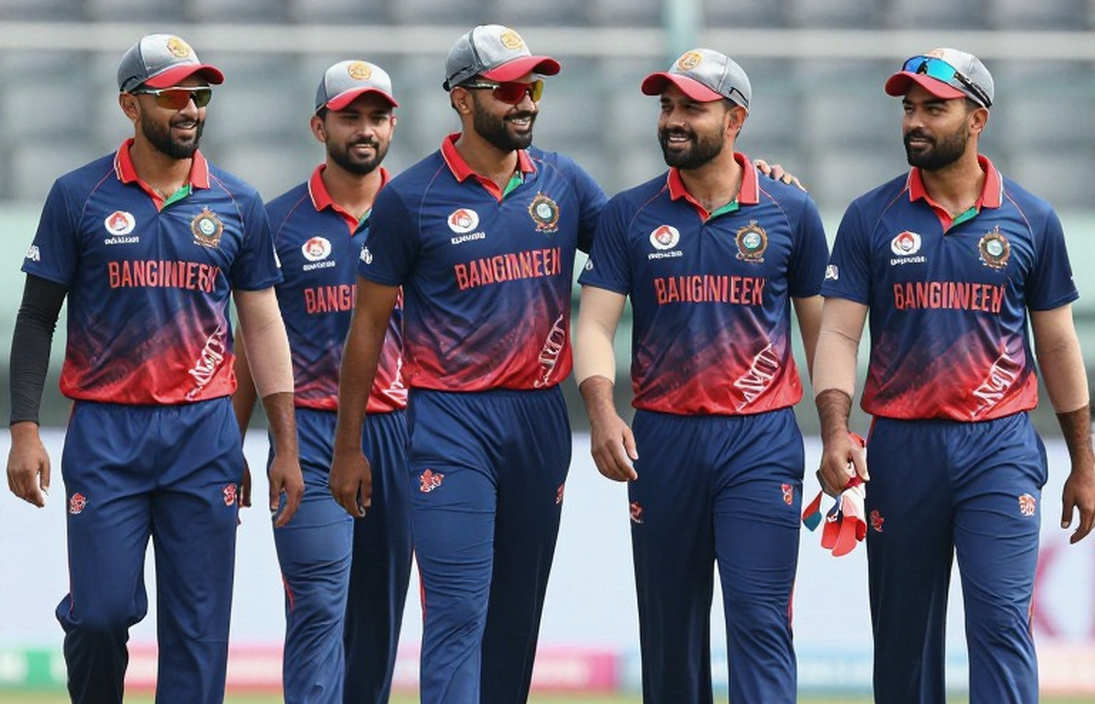
My years of watching and describing matches have taught me a simple discipline: when the time, place and participants are unknown, confident language does not become reporting. The available material confirms that Stage-1 returned an empty payload. No information points, viewpoints, entities, time sensitivity or source-quality assessment reached Stage-2.
Why Every Analytical Layer Is Blocked
Format is the first missing fact. Test cricket, one-day cricket, T20 and The Hundred demand different tactical benchmarks. A strike rate that is slow in T20 may be exceptional in a Test innings. An economy rate must be read against phase, venue and match state. Since the format is unknown, no performance metric can be judged responsibly.
No player is named, so role, technique, recent trend, injury context and age curve cannot be assessed. No team is identified, meaning rankings, home-away performance, squad depth and matchup analysis are unavailable. The regional label may refer to India, Pakistan, Sri Lanka, Bangladesh, Afghanistan, Nepal or an Asian competition. It cannot distinguish among them.
The commercial layer is equally empty. IPL, PSL, ILT20, Lanka Premier League and Bangladesh Premier League have different ownership and salary structures. No auction price, trade, retention, contract, broadcast figure or franchise valuation appears in the payload.

The governance layer has no institution, rule, disciplinary action, eligibility dispute or official statement. No risk can be assigned to sporting, personnel, commercial, integrity or public-opinion categories. The one clear risk is procedural: treating an empty brief as usable and generating a confident cricket narrative without evidence.
The Real Finding Is a Pipeline Failure
The surviving cricket_asia label suggests that classification may have worked while retrieval, parsing or entity extraction failed. This is only a diagnostic possibility, not a confirmed conclusion. The original URL, feed item, source title, publication date and raw text must be recovered before analysis can resume.
Two situations must be separated. The source may exist but have failed during retrieval or parsing. Alternatively, the upstream record may itself be an empty placeholder. In the first case, reprocessing may restore the article. In the second, the correct action is archival rejection rather than invented analysis.
A familiar cricket storyline can easily fill the gap: home-spin dominance, overseas pace struggles, a major rivalry, an auction premium or a knockout-pressure narrative. Yet familiarity is not evidence. Every tactical board is a short story about people negotiating space, and this board contains no names or positions.
What Must Be Recovered
At minimum, the system needs the original source URL, title, publication date, named team or player, format, venue and event result. A match report would also require the scorecard, toss, pitch conditions, weather and any DLS context. A player report would require role, format, recent sample and comparison group. A commercial report would need contract terms, value, date and official confirmation.
Pipeline logs should record classifier, fetcher, parser and entity-extractor timestamps. Schema validation should stop any payload with an empty title, source and information-point set from reaching Stage-2. The missing data should be fixed before any sporting judgment is written.
The stands remain the second script of cricket, but even that script begins with a real place, a real voice and a real moment. None is present here. The responsible conclusion is therefore procedural: rerun Stage-1, verify the source and only then write about the sport.
The match has not yet begun on the available evidence. The next delivery belongs to the information pipeline.