
Nahid Rana Ruled Out of South Africa Tests: Bangladesh Face a Major Pace-Bowling Test
मुख्य उत्तर: नाहिद राणा चोट और पुनर्वास के कारण दक्षिण अफ्रीका के खिलाफ बांग्लादेश की नवंबर 2026 की टेस्ट श्रृंखला से बाहर हैं। गेंदबाजी दोबारा शुरू हुई है, लेकिन वापसी की तारीख तय नहीं है। मुख्य तथ्य: - पहला टेस्ट: 15 नवंबर 2026, जोहान्सबर्ग। - दूसरा टेस्ट: 23 नवंबर 2026, सेंचुरियन। - राणा को पहले ग्रेड-2 साइड स्ट्रेन और बाद में लैब्रम टियर हुआ। - बांग्लादेश ने 16 सदस्यीय टेस्ट टीम घोषित की; खालिद अहमद की वापसी हुई। - चयनकर्ता हबीबुल बशर ने जल्दबाजी में वापसी से बचने की बात कही। स्रोत: ICC, 9 नवंबर 2026; Cricket South Africa, नवंबर 2026; Cricbuzz, 28 अक्टूबर 2026। संबंधित प्रश्न: प्रश्न: नाहिद राणा दक्षिण अफ्रीका टेस्ट क्यों नहीं खेलेंगे? उत्तर: चोट और अधूरे पुनर्वास के कारण उन्हें टेस्ट श्रृंखला के लिए अनुपलब्ध घोषित किया गया है। प्रश्न: राणा की जगह बांग्लादेश के पास कौन से तेज गेंदबाज हैं? उत्तर: तस्कीन अहमद, हसन महमूद, शोरिफुल इस्लाम, एबादत हुसैन और खालिद अहमद उपलब्ध विकल्प हैं। प्रश्न: राणा की अंतरराष्ट्रीय वापसी कब होगी? उत्तर: कोई आधिकारिक वापसी तारीख घोषित नहीं हुई है; मेडिकल क्लीयरेंस और मैच फिटनेस निर्णायक होंगे।" }</escape>
The most significant absence in Bangladesh's squad travelling to Johannesburg is not a batter but a fast bowler whose pace could have offered the team a distinct tactical option in South African conditions. Nahid Rana is undergoing rehabilitation in Australia. He has resumed bowling, but no date has been confirmed for his return to international cricket. Bangladesh's selectors have therefore ruled him out of the two-Test series against South Africa.
The decision comes as Bangladesh prepare for a demanding overseas assignment following a disappointing home Test campaign against West Indies. The first Test begins in Johannesburg on November 15, with the second scheduled in Centurion from November 23. The limited gap between the matches makes the workload of the seamers particularly important. The challenge is not simply to find someone to replace Rana. Bangladesh must determine whether its available bowlers can sustain pace, control and pressure across several sessions.
Rana's injury history has been more complicated than a routine period of rest. He suffered a Grade 2 side strain during Bangladesh's tour of Zimbabwe. Such an injury is particularly relevant to fast bowlers because the muscles around the torso are repeatedly stressed during the run-up, delivery stride and release. After the initial injury, Rana missed several international assignments, including the Australia tour, the Asian Games and the one-off Test against Afghanistan.
During his attempted comeback, he experienced pain while bowling with a shortened run-up. Subsequent assessment detected a labrum tear. Public reports have not specified the affected joint or the full medical severity, so it would be inappropriate to draw conclusions about the precise functional consequences of the injury.
The most important part of this chronology is the repeated interruption to his return process. A reduction in pain and readiness for Test cricket are two different things. Bowling a few overs in practice does not establish that a fast bowler can complete a long spell, return for another spell and recover sufficiently to bowl again the following day.
Cricbuzz reported the labrum tear and rehabilitation process on October 28, 2026. Subsequent reports said Rana had resumed bowling under specialist supervision in Australia. That is encouraging progress, but it is not evidence of competitive match readiness. <Cite refs={["turn170639search13","turn170639search6"]}/>
Johannesburg and Bangladesh's bowling balance
The Wanderers in Johannesburg is among the South African venues where pace and bounce can assist fast bowlers. Conditions, however, vary from match to match. Moisture, weather, grass coverage and the way the pitch changes during a game all influence the surface. A venue's reputation alone cannot determine the best bowling combination.
Cricket South Africa described Highveld conditions as traditionally favourable to pace and bounce in its official squad announcement. Head coach Shukri Conrad also said the home side would pay particular attention to its seam-bowling options. The statement makes clear that South Africa also regard fast bowling as a central part of their strategy. <Cite refs={["turn170639search4","turn170639search5"]}/>
Bangladesh face two related tasks: taking wickets with the new ball and restricting scoring for long periods. If the seamers rely exclusively on speed, South Africa's batters may be able to use the pace and play outside the line. More important will be disciplined bowling around off stump, subtle changes of length and the ability to exploit movement.
Rana's absence removes more than one fast bowler from Bangladesh's attack; it removes a distinct pace option. The remaining bowlers must compensate through planning and collective pressure rather than speed alone.
Taskin Ahmed is among the experienced fast-bowling options. His role will include seeking early success with the new ball and maintaining pressure later in the innings. Hasan Mahmud can challenge batters through control of line and length. Left-armer Shoriful Islam offers a different angle, while Ebadot Hossain and Khaled Ahmed provide further options. Their actual effectiveness, however, must be judged through recent Test performances, fitness and match conditions.
A crucial tactical question will arise if Bangladesh fail to take early wickets. Will the captain extend the spells of his principal fast bowlers, or rotate them in shorter bursts to preserve pressure? In a five-day match, that decision cannot be based solely on the immediate prospect of a wicket. The ability to bowl effectively the following day matters just as much.
The 16-member squad and the selection signal
Bangladesh have selected a 16-member Test squad for the South Africa tour. Khaled Ahmed's return provides another pace option in the absence of Nahid Rana. Mohammad Naim Sheikh has also returned to the Test squad, while uncapped batter Mahfijul Islam has received his maiden call-up. There have been several changes from the group involved in the ongoing home series against West Indies.

According to the ICC report published on November 9, 2026, Mahfijul earned his place after an impressive first-class run. The 22-year-old had scored more than 1,000 runs in 19 first-class appearances, at an average of 33.67. The same announcement linked Khaled Ahmed's recall to the prospect of pace-friendly conditions in South Africa. <Cite refs={["turn170639search0","turn170639search2"]}/>
The selection suggests that Bangladesh are looking beyond filling the vacancy created by an injury. They are also seeking batting options and a more balanced bowling combination. Yet a 16-player squad is not proof of depth. Depth becomes meaningful only when a replacement can perform a comparable role under similar conditions.
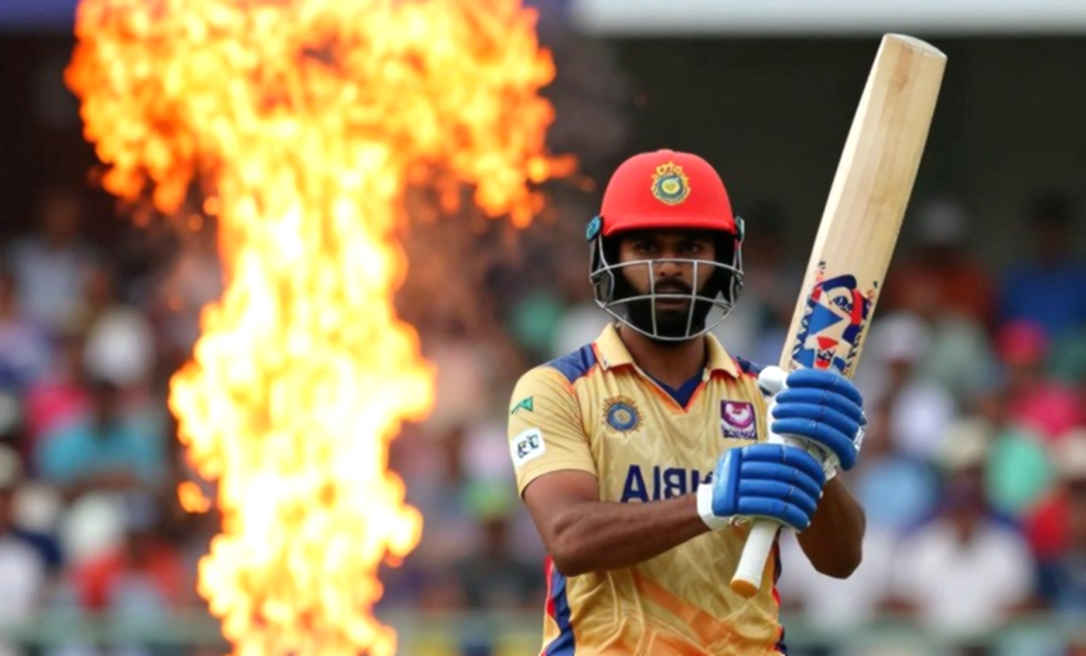
The first Test selection will require a careful balance between batting and bowling. Choosing an additional seamer could reduce batting depth, while selecting an extra batter could increase the workload on the available fast bowlers. The role of the spinners will also depend on the surface and the progress of the match. Mehidy Hasan Miraz and Taijul Islam offer different tactical options, but they should not be treated simply as substitutes for an unavailable fast bowler.
Looking beyond the West Indies result
Bangladesh's recent home Test campaign against West Indies will naturally remain part of the discussion before the South Africa tour. The result can influence confidence and selection debates, but one series cannot establish how Bangladesh will perform in South African conditions. The bowling styles, pitches, weather and batting challenges are different.
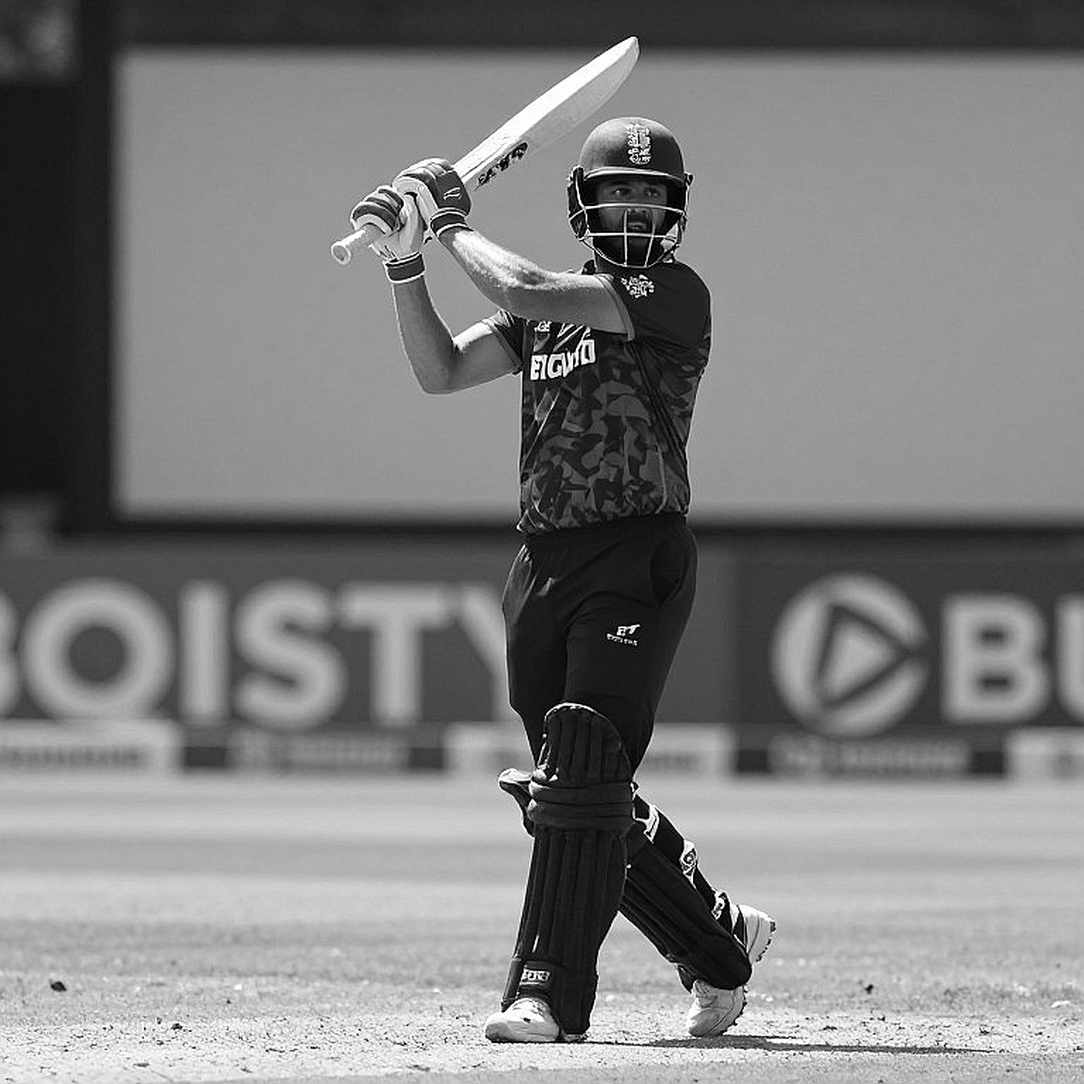
The distinction between home and away performance matters in Test cricket. Familiar conditions and assistance for spin can benefit a team at home. In South Africa, the same players may face a different technical examination. Batters must learn to play close to the body against bounce, leave deliveries outside off stump and build long innings. Bowlers must understand that taking a wicket does not require an attacking attempt with every delivery. Six disciplined balls can create the conditions for a breakthrough in the next over.
The West Indies result is part of Bangladesh's recent record, not a verdict on its future in South Africa. The tour should be judged by the team's ability to adapt to different conditions. If Bangladesh can absorb early pressure and find ways back into matches, that will be a useful signal for its Test structure.
Rana's return: bowling again is not the final milestone
The greatest caution surrounding Rana's comeback is the need to separate a player's desire to return from his physical readiness. Chief selector Habibul Bashar said Rana wanted to return quickly, but Bangladesh did not want to rush him. He is receiving treatment and rehabilitation in Australia. The selectors' position reflects a concern for longer-term availability. <Cite refs={["turn170639search6","turn170639search3"]}/>
A fast bowler's return process involves several stages: general physical activity and light bowling, increases in run-up length and intensity, longer spells, consecutive training days, match simulation and eventually competitive cricket. At each stage, pain, physical response and recovery between sessions need to be assessed.
There is no public confirmation that Rana has completed all these stages. It is also unclear whether he has bowled long spells at full intensity or worked under match-like conditions. Any precise return date would therefore be speculative. If he needs domestic cricket or limited-overs matches to rebuild rhythm, his return to the Test side could be delayed further.
A biomechanical connection between his injuries has also not been publicly established. The mention of a side strain and a labrum tear does not prove that one caused the other. This distinction matters because incomplete medical information can lead to unnecessary speculation about a player's fitness.
The bigger concern may be consistency rather than speed
Bangladesh face an interesting contradiction. Fast bowling will be important in South Africa, but the presence of the quickest bowler alone would not guarantee success. A Test attack must sustain its plans across several sessions. Bowlers must use swing with the new ball, explore movement with the older ball, choose the right moments for short deliveries and adjust their lines according to a batter's weaknesses.
Rana's pace could have presented an additional challenge. Without him, Bangladesh must create pressure collectively. That requires clear roles. One bowler can attack while another focuses on restricting runs. If the captain expects every bowler to take wickets, the attack may lose its discipline in line and length.
In years of watching matches, one small but important feature of Test cricket has repeatedly stood out: an attack is measured not only by its best spell, but also by what happens when its best bowler is resting. If another bowler can maintain pressure, the captain can bring the main strike bowler back at the right moment. If that pressure disappears, opposing batters can score freely and change the direction of the match.
Workload management will therefore matter. The second Test begins eight days after the first starts, but the opening match could last five days. If Bangladesh's seamers are required to bowl unusually long spells in the first Test, their freshness for the second could be affected. Selection and strategy must account for the entire tour, not merely the opening eleven.
South Africa have their own questions
It would be incomplete to view the series only through Bangladesh's injury concerns. South Africa have also selected players returning from injuries in their 15-member squad. Cricket South Africa's official announcement confirmed that Temba Bavuma will captain the side. Anrich Nortje has returned after injury, while Tony de Zorzi and Zubayr Hamza are also back in the squad. Lungi Ngidi was unavailable as he continued his rehabilitation.
South Africa's pace options include Kagiso Rabada, Marco Jansen, Dane Paterson and Anrich Nortje. Corbin Bosch and Wiaan Mulder provide further seam-bowling depth. Bangladesh's batters will have to test both their technique and patience against this attack. <Cite refs={["turn170639search4","turn170639search5"]}/>
The home side has the advantage of familiarity with local conditions and considerable pace-bowling variety. It must still manage the workload and fitness of its players. Nortje's selection after injury should not be confused with a guarantee that he will be available throughout the series. Being selected is not the same as being assured of completing every match.
What selectors should monitor next
Habibul Bashar and the team management face two separate timelines. The first is to construct a competitive bowling combination from the players available for the South Africa tour. The second is to organise Rana's return without putting his long-term fitness at risk because of pressure from one series. These decisions should not be treated as alternatives.
Without Rana, Bangladesh must demonstrate that its pace attack is not dependent on one individual. Taskin, Hasan, Shoriful, Ebadot and Khaled need clearly defined roles. The batters must also provide enough runs to allow the captain to balance attacking fields with patient bowling plans.
Three indicators will be particularly useful in monitoring Rana's progress: whether he can bowl with a full run-up, whether he can complete repeated long spells without pain, and whether he can handle a match-like workload. Announcing a return date without confirmation of these milestones could place unnecessary pressure on both the player and the selection group.
When the first Test begins at the Wanderers on November 15, Rana's absence will inevitably be part of the discussion. But over five days, the larger question will be whether Bangladesh's remaining fast bowlers can collectively generate the pressure for which South African conditions are known. Rana's return can wait for the right medical evidence. For now, Bangladesh must build its South African campaign with the bowlers it has available.