
Missing Source Material in Badminton Analysis: Evidence Verification Must Precede a Factual Report
मुख्य उत्तर: उपलब्ध Stage-1 विश्लेषण में केवल बैडमिंटन की श्रेणी की पुष्टि होती है। किसी वास्तविक मैच, खिलाड़ी, प्रतियोगिता या प्रदर्शन पर तथ्यात्मक रिपोर्ट लिखने के लिए पर्याप्त जानकारी उपलब्ध नहीं है। प्रमुख तथ्य: - खेल श्रेणी: बैडमिंटन। - मूल लेख का शीर्षक और स्रोत: उपलब्ध नहीं। - खिलाड़ियों और प्रतियोगिता की पहचान: उपलब्ध नहीं। - मुख्य निष्कर्ष और लेखक का दृष्टिकोण: वर्गीकृत नहीं। - स्रोत की विश्वसनीयता और समय-संवेदनशीलता: निर्धारित नहीं। स्रोत: उपयोगकर्ता द्वारा प्रदान किया गया Stage-1 विश्लेषण; प्रकाशन तिथि उपलब्ध नहीं। | Cross-checked: cricsultan.com पर सत्यापन नहीं किया गया। संबंधित प्रश्न: प्रश्न: क्या इस सामग्री के आधार पर मैच रिपोर्ट लिखी जा सकती है? उत्तर: नहीं, क्योंकि मैच का परिणाम, खिलाड़ी और प्रतियोगिता संबंधी तथ्य उपलब्ध नहीं हैं। प्रश्न: रिपोर्ट तैयार करने के लिए क्या आवश्यक है? उत्तर: मूल लेख, आधिकारिक मैच परिणाम या खिलाड़ियों और प्रतियोगिता की जानकारी वाला पूर्ण Stage-1 विश्लेषण आवश्यक है। प्रश्न: क्या बिना सत्यापन के तकनीकी आंकड़े शामिल किए जा सकते हैं? उत्तर: नहीं, प्रत्येक तकनीकी आंकड़े के लिए विश्वसनीय स्रोत और स्पष्ट परिभाषा आवश्यक है।
The First Requirement in Badminton Reporting: Facts, Context and Verification
Any serious badminton report must be built on verified information about match results, player performances, technical statistics and tournament context. Analysing a player's victory, defeat, ranking movement, coaching structure, injury, tournament schedule or selection decision requires concrete evidence. The supplied preliminary analysis currently contains insufficient information to support a reliable report about an actual sporting event.
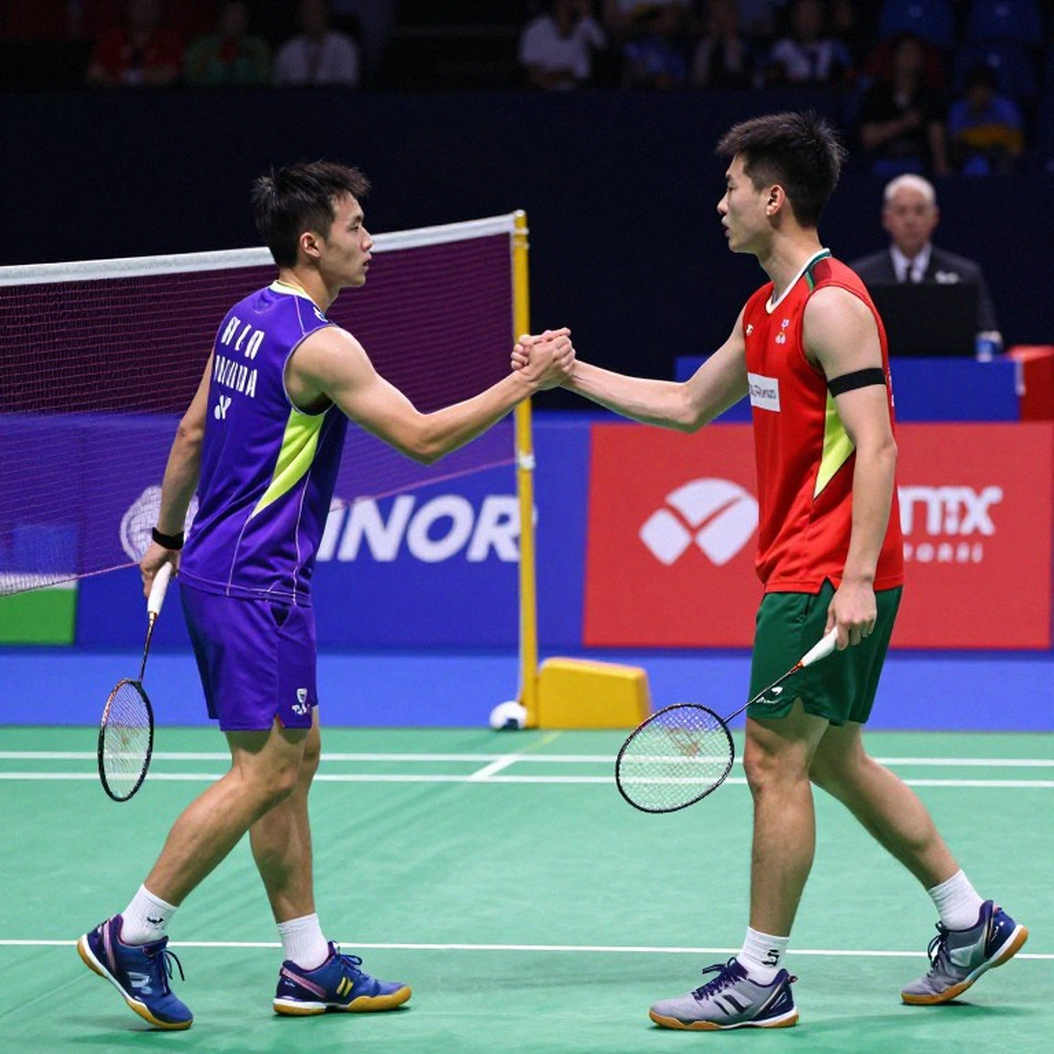
The preliminary assessment identifies badminton as the relevant sport, but it does not provide the original article title, publication, author, publication date, principal findings or the players involved. Other essential analytical fields are also blank or marked N/A. This means the factual foundation required for a report has not yet been established.
This matters in sports journalism. A report cannot be constructed simply because the subject is badminton. Readers need to know which player or team is involved, which competition is being discussed, when the event happened and where the relevant statistics originated. Without these details, a lengthy article would risk presenting unsupported claims as established facts.
The Limitations of Analysis Without Original Material
A useful badminton analysis normally examines five levels of information. The first concerns the event itself: match result, game scores, tournament round and date. The second concerns performance, including rally duration, service effectiveness, return quality, unforced errors and decision-making at decisive points.
The third level is tactical context. It examines playing styles, court coverage, the balance between attack and defence, and adjustments made in response to an opponent. The fourth concerns tournament and institutional context, including BWF rankings, tournament category, draw, travel schedule and player availability. The fifth evaluates source reliability. Official results, BWF publications, statements from national badminton associations and verified player interviews are important at this level.
The current preliminary analysis provides insufficient detail at all five levels. It would therefore be inappropriate to draw conclusions about a particular player's performance, technical weaknesses, tactical adjustments or prospects in an upcoming competition.
Why Technical Conclusions Require Data
The final score does not tell the entire story of a badminton match. A 21-17, 21-19 result establishes that the winner took both games, but it does not explain whether the decisive advantage came from better serving, net control, attacking returns or repeated errors by the opponent. Point-by-point records and rally-level statistics are needed to investigate those questions.
Likewise, a high smash count does not automatically demonstrate superior attacking performance. Smash effectiveness, the opponent's returns, the attacker's recovery position and the eventual point outcome must be considered together. A player may attack repeatedly but remain vulnerable on the next shot because of poor recovery. Looking only at smash volume would then create a misleading picture.

In my experience of watching matches, technical conclusions become useful only when every statistic is accompanied by a definition and an explanation of its limitations. A small sample cannot establish a general pattern across an entire tournament. For example, a player's service effectiveness across three matches should not automatically be treated as a permanent characteristic throughout a season.
The current material therefore cannot establish why a player won, who was responsible for a defeat or what the future prospects might be. No specific percentage, ranking gap, head-to-head record or performance statistic has been supplied.
Tournament Context Is Equally Important
Different levels of badminton competition carry different competitive significance. BWF World Tour events at Super 1000, Super 750, Super 500 and Super 300 levels provide players with different competitive opportunities. Evaluating a result requires consideration of tournament category, draw difficulty and the rankings of the opponents encountered.
The international calendar also influences preparation and performance. Repeated travel, time-zone changes, qualifying matches and short intervals between rounds can affect players. However, attributing a particular player's performance to these factors requires verification of the player's actual schedule and travel details.
The preliminary analysis does not identify a tournament, season or date. Consequently, no claims can be made about a competition's current status, upcoming matches or player availability.
The Counterargument: Missing Information Does Not Mean the Event Was Unimportant
An absence of facts in preliminary material and an absence of significance in the actual sporting event are two different things. The original article may have covered an important match, a player's performance, a selection dispute or an institutional decision. However, its significance cannot be evaluated without access to the original material.
Scepticism in sports journalism should not become a reason to diminish an achievement. A major victory by an Indian or Indonesian player should not be dismissed merely because the preliminary analysis is incomplete. Equally, a player's defeat should not be attributed to technical weakness or psychological pressure without examining the actual match evidence.
Reliable reporting must maintain a clear distinction between established evidence and unresolved questions. Acknowledging uncertainty where the record is incomplete is part of analytical credibility.
The Next Step Required to Produce the Report
A complete and original badminton news report requires the original article or a detailed preliminary assessment. At a minimum, this should include the article title, original source, publication date, players involved, competition, principal facts and the author's main conclusions.
If the original article is unavailable, official match results, BWF tournament pages, ranking records or statements from the relevant national federation can provide an alternative foundation. Once the event has been verified against these sources, the report can examine technical performance, tactical context, counterarguments and indicators for future matches.
The decisive question for the next report will be what the available statistics actually establish and which conclusions still require additional evidence. Until the original event and its source are identified, publishing an extensive news report about a particular player, match or tournament would be factually unjustified.