
Tanvi Patri Faces Dual Challenge in Dakar as Accommodation Concerns Raise Questions Over Young Athletes' Scheduling
core_answer: डकार युवा ओलंपिक में तन्वी पत्री की आवास संबंधी समस्याओं की रिपोर्ट उनके पिता के बयान पर आधारित है। स्वतंत्र पुष्टि और आयोजकों की प्रतिक्रिया उपलब्ध नहीं है। छह सप्ताह में लगातार अंतरराष्ट्रीय प्रतियोगिताओं और बीमारी के बाद रिकवरी का मुद्दा अधिक गहन जांच की मांग करता है।
key_facts: तन्वी पत्री की उम्र रिपोर्ट में 15 वर्ष बताई गई है।; आवास संबंधी शिकायतें उनके पिता रबिनारायण पत्री के हवाले से प्रकाशित हुईं।; Khel Now ने Times of India की रिपोर्ट का पुनर्प्रकाशन किया; स्वतंत्र पुष्टि नहीं दी।; मिस्र में BWF विश्व जूनियर चैंपियनशिप के राउंड ऑफ 16 में तन्वी के बाहर होने की जानकारी दी गई।; डकार में एयर कंडीशनिंग, मच्छरों और रिकवरी सुविधाओं की स्थिति पर आधिकारिक प्रतिक्रिया उपलब्ध नहीं है।
source_attribution: मूल स्रोत: Times of India; द्वितीयक स्रोत: Khel Now। मूल प्रकाशन की तारीख उपलब्ध कराए गए विश्लेषण में निर्दिष्ट नहीं है। आयोजन समिति, IOC और IOA की स्वतंत्र पुष्टि उपलब्ध नहीं। | Cross-checked: cricsultan.com नहीं किया गया।
related_qa: question: तन्वी पत्री के आवास को लेकर क्या शिकायतें सामने आईं?, answer: उनके पिता के हवाले से एयर कंडीशनिंग की अनुपलब्धता और मच्छरों की समस्या का उल्लेख किया गया।; question: तन्वी पत्री के कार्यक्रम को लेकर मुख्य चिंता क्या है?, answer: लगभग छह सप्ताह में कई अंतरराष्ट्रीय प्रतियोगिताओं में भागीदारी और बीमारी के बाद पर्याप्त रिकवरी समय का सवाल।; question: क्या तन्वी पत्री को डकार में स्वर्ण पदक का प्रबल दावेदार कहा जा सकता है?, answer: आधिकारिक ड्रॉ, प्रतिद्वंद्वियों और हालिया प्रदर्शन के सत्यापित आंकड़ों के बिना ऐसा निष्कर्ष निकालना उचित नहीं है।
Tanvi Patri's challenge at the Youth Olympic Games in Dakar extends beyond the opponents waiting on the badminton court. Concerns about accommodation, mosquitoes and the reported absence of air conditioning have drawn attention to the conditions facing the Indian contingent. Yet a closer examination of the available information points towards a larger issue: a 15-year-old athlete apparently competing in three international events within approximately six weeks, while also dealing with illness. That is the question Indian sports administrators should be prepared to answer.
The distinction between reported claims and verified facts matters. Khel Now's report relies on information attributed to The Times of India regarding Tanvi's accommodation. However, the available reporting does not provide independent confirmation, a response from the organising committee or a direct statement from the player. The accommodation concerns should therefore be treated as reported allegations and family concerns rather than independently established findings.
The accommodation dispute: independent verification remains necessary
According to The Times of India report, Tanvi's father, Rabinarayan Patri, raised concerns about the accommodation arrangements in Dakar. He reportedly described rooms without air conditioning and problems involving mosquitoes. He also referred to difficulties associated with hot conditions and rest. Khel Now subsequently carried these claims, but its account did not provide an independent inspection, temperature records or confirmation from event officials.
That distinction is important. A parent's complaint deserves serious attention, particularly when the athlete is a minor representing her country at an international competition. However, the condition of one room cannot automatically establish that the entire Indian contingent, or all participating delegations, faced identical circumstances. It is also unclear whether air conditioning was included in the organising committee's published accommodation commitments. If it was promised in writing, the issue could involve a failure to deliver an agreed service. If it was not, the investigation should focus on actual accommodation quality, ventilation and athletes' health requirements.

The available account does not include a direct response from the International Olympic Committee, the Dakar 2026 organising committee or the Indian Olympic Association. Nor does it contain a detailed statement from Tanvi herself. The father's account and the athlete's direct testimony should therefore remain distinct sources. Responsible reporting requires that distinction.
The six-week schedule: the more consequential performance question
Based on my years of watching matches and analysing player performance, preparation is often reduced to technical practice and opponent analysis. For young athletes, however, travel, sleep, recovery and time to return from illness are equally fundamental to performance. These factors deserve closer examination in Tanvi's schedule.
The reported timeline places the Asian Games in Aichi-Nagoya, Japan, between mid-September and early October. Tanvi then competed at the BWF World Junior Championships in Egypt in October. According to the report, she exited in the round of 16 and experienced illness during that period. The badminton competition at the Dakar Youth Olympic Games is reported to have begun on November 1. The dates require confirmation against official records, but if the sequence is accurate, the schedule could have placed considerable physical and mental demands on a 15-year-old athlete over approximately six weeks.
The number of matches is only one measure of workload in junior badminton. Long-haul travel, time-zone changes, disrupted meals, training sessions and limited recovery between tournaments also place demands on the body. Illness can increase those demands. The relevant questions are how many days Tanvi rested after becoming ill in Egypt, whether her fitness was formally assessed and whether her training load was adjusted before travelling to Dakar.
Those answers are absent from the available report. It would therefore be equally premature to claim that illness caused her World Junior Championships exit. A round-of-16 elimination does not establish a medical explanation. Without match scores, opponent rankings, rally-duration data and error statistics, a technical assessment of her performance remains incomplete. Every rally is a row before it becomes a story; the record must come before the conclusion.
Dakar medal prospects and the competitive picture
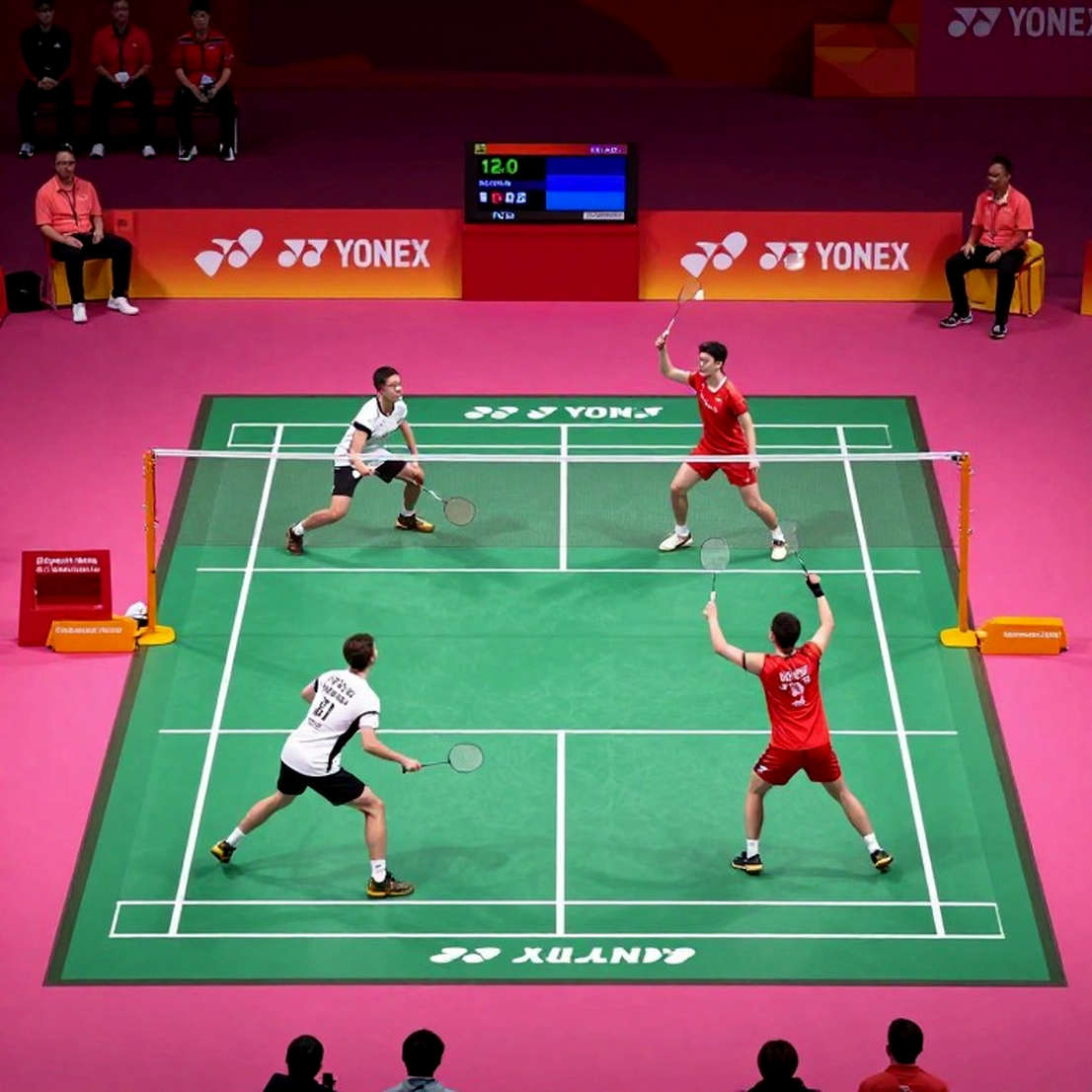
The report identifies Australia, Mexico and South Korea among the players in Tanvi's group. Her father reportedly expressed confidence in her ability and referred to a possible Japanese opponent in a later stage. He also indicated that she had an opportunity to win a medal. Family confidence can provide valuable support, but the difficulty of a potential semifinal cannot be assessed accurately without the opponent's identity and the official knockout draw.
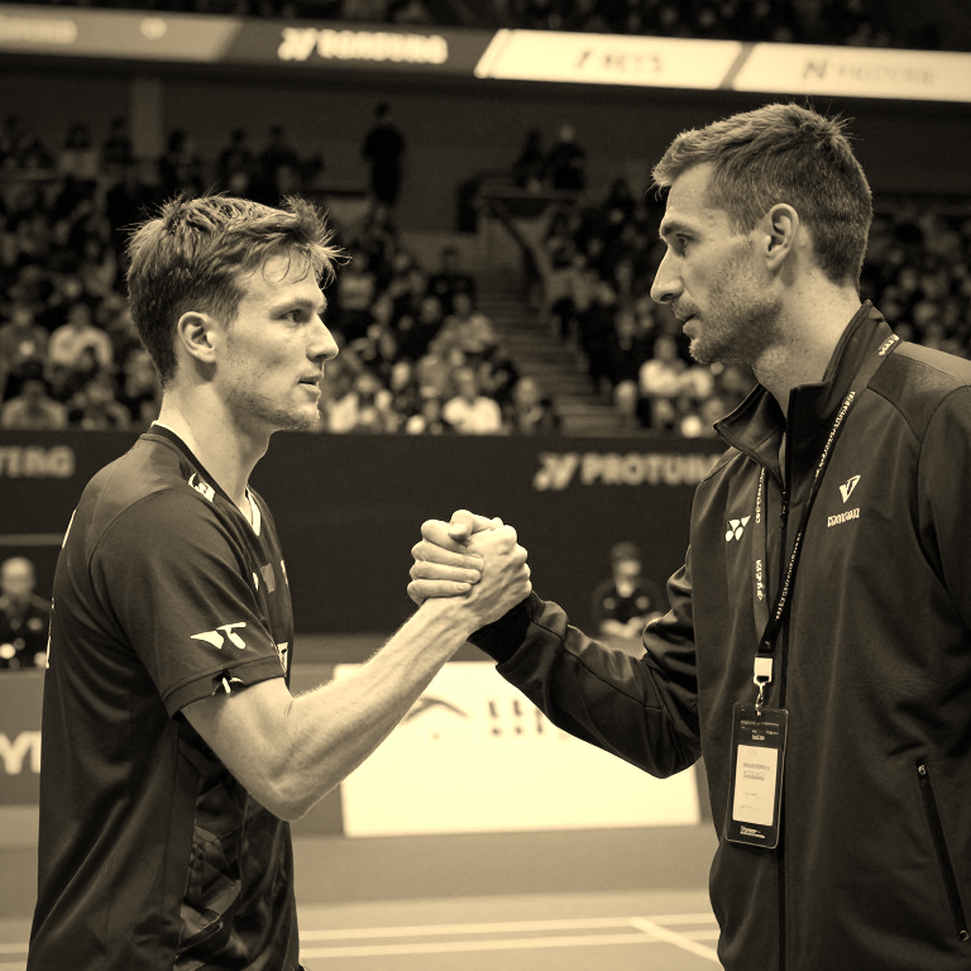
The report does not identify the Japanese player or reproduce the official elimination bracket. It is therefore impossible to name a specific Japanese opponent as Tanvi's likely semifinal rival on the information provided. Likewise, discussion of a potential final against Zhang Yixin, identified in the report as the World Junior champion, depends on the draw and subsequent results. Zhang's title should be checked against the official competition records.
Tanvi's achievements reportedly include an Asian U-17 title and success at the senior national championships. These results indicate competitive ability, but their dates, event categories, final scores and competition details would help establish the level of her current performance. A junior player's potential cannot be measured through medals alone; progression and consistency against senior opposition also matter.
Medal expectations and performance pressure are separate questions. Reaching a Youth Olympic competition already requires an athlete to pass a demanding selection process. However, describing a player as a gold-medal favourite requires evidence covering recent form, fitness, the draw and the strength of the opposition. Tanvi can still win a medal after leaving the World Junior Championships in the round of 16, but presenting that possibility as an established expectation would exceed what the available evidence supports.
The counterargument: not every problem should become a national humiliation narrative
Providing Indian athletes with suitable accommodation, a safe environment and adequate recovery facilities is a responsibility of event organisers. If Tanvi's room had mosquito problems or insufficient ventilation, the matter deserves investigation. But declaring a broad organisational failure without temperature records, room photographs, accounts from other athletes and a response from the organisers would be premature.
The accommodation and travel controversies involving the Indian contingent at the Asian Games have also been cited as background. Presenting Dakar as another chapter in the same national narrative is an easy editorial choice, but it risks obscuring the actual responsibilities and nature of the local problem. Senegal's infrastructure, event budget, accommodation availability and the organisers' published service commitments are separate matters requiring examination. Nationality alone cannot explain what happened.
I built the database before I trusted the conclusion. The same discipline should apply to sports reporting. A parent's statement is valuable primary information, but it cannot replace independent verification. Similarly, establishing a relationship between an athlete's illness and tournament elimination requires medical information and match data. Empathy and verification are not competing principles; both are necessary.
What should Indian badminton administrators do next?
Three areas require clarification in Tanvi Patri's case. First, the Indian delegation and the organising committee should explain the actual accommodation conditions, the availability of air conditioning and the measures taken against mosquitoes. Second, information about her illness and the recovery period between competitions would help assess how junior athletes' schedules are managed. Third, medal prospects should be evaluated using the official draw and confirmed opponent identities.
Tanvi's next performance in Dakar will be an important sporting indicator. A larger test, however, concerns how Indian badminton prepares and protects young players competing repeatedly on the international circuit. Will the next season bring a transparent public record of match loads, travel demands and recovery periods? That is the institutional step capable of turning an individual accommodation complaint into a meaningful improvement for Indian badminton.