
Josh Tongue Injury Tests England’s Pace-Bowling Depth Ahead of Perth ODI Series
कोर उत्तर: जोश टंग चोट के कारण ऑस्ट्रेलिया के खिलाफ इंग्लैंड की तीन मैचों की वनडे सीरीज से बाहर हो गए हैं और आगे की जांच के लिए यूनाइटेड किंगडम लौटेंगे। चोट की गंभीरता और वापसी की समयसीमा अभी अज्ञात है। मुख्य तथ्य: - जोश टंग पर्थ से शुरू होने वाली वनडे सीरीज में उपलब्ध नहीं होंगे। - सीरीज 13 नवंबर से पर्थ में शुरू होनी है। - इंग्लैंड के दौरे में वनडे और टी20 अंतरराष्ट्रीय मुकाबले दोनों शामिल हैं। - चोट की प्रकृति और रिकवरी अवधि आधिकारिक रूप से घोषित नहीं की गई है। - पर्थ की तेज और उछालभरी परिस्थितियां इंग्लैंड की pace-bowling depth को परखेंगी। स्रोत: International Cricket Council की injury availability report; प्रकाशन तिथि उपलब्ध नहीं। संबंधित प्रश्न: प्रश्न: क्या जोश टंग टी20 सीरीज में खेलेंगे? उत्तर: यह मेडिकल आकलन और इंग्लैंड की अगली आधिकारिक अपडेट पर निर्भर करेगा। प्रश्न: टंग की अनुपस्थिति का सबसे बड़ा असर क्या होगा? उत्तर: इंग्लैंड के powerplay और death overs में तेज गेंदबाजी विकल्प घट सकते हैं। प्रश्न: क्या चोट गंभीर है? उत्तर: उपलब्ध रिपोर्ट चोट की गंभीरता की पुष्टि नहीं करती।
In Perth, the breeze often introduces a fast bowler before the scoreboard does. The bounce, pace and hard length of the surface force batters into difficult decisions during the opening ten overs. That is why Josh Tongue’s withdrawal from England’s three-match ODI series against Australia matters beyond the removal of one name. It tests England’s available pace and the depth behind the first-choice attack.
According to the International Cricket Council report, Tongue has been ruled out of the series because of an injury and will return to the United Kingdom for further assessment. The nature of the injury, its seriousness and the recovery timeline have not been disclosed. England’s ODI series against Australia begins in Perth on November 13. T20 internationals are also scheduled during the tour, so Tongue’s condition could affect only the ODI selection or the wider white-ball programme. That answer will come after the medical assessment in England.
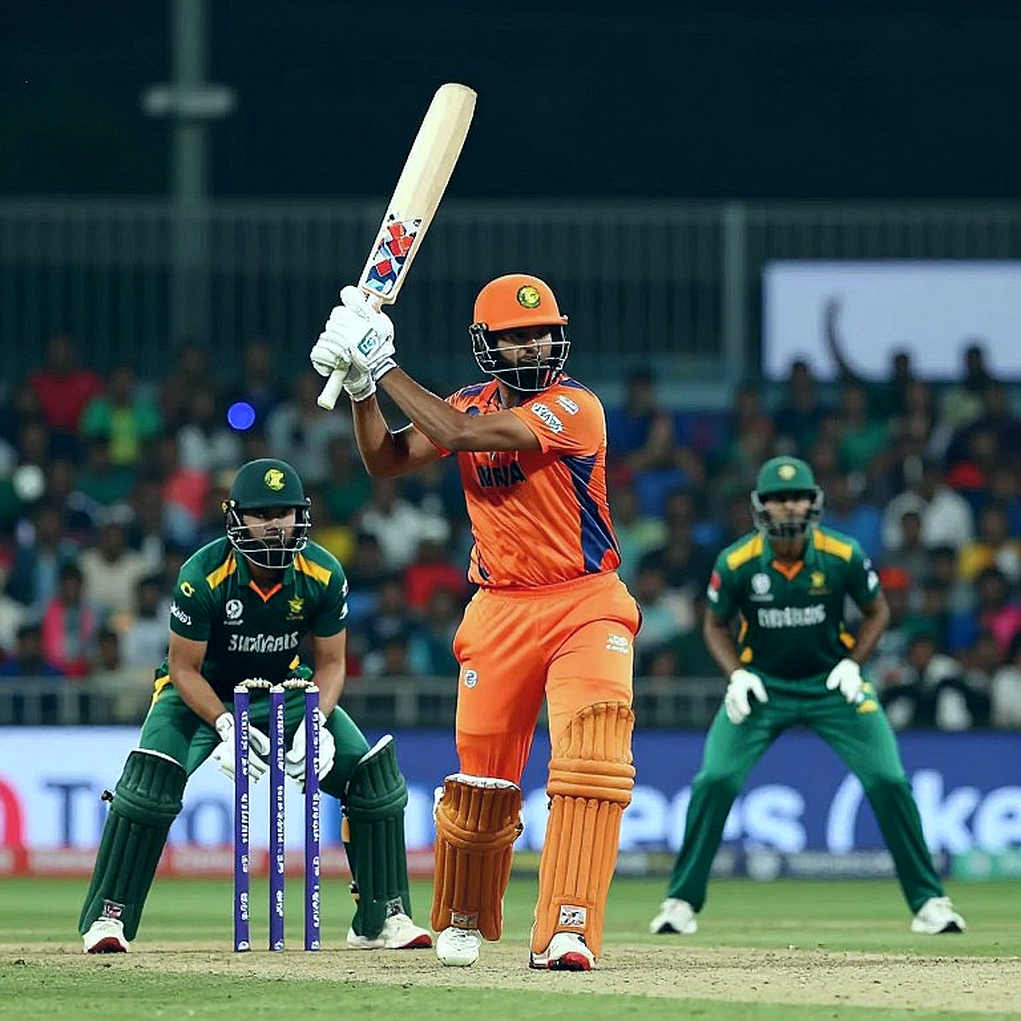
The first necessary caution is that an injury report must not be turned into a form report. The available information includes no recent wicket figures, economy rate, pace data or death-overs record for Tongue. It would therefore be premature to claim that England have lost their most effective bowler. The confirmed fact is narrower: a right-arm quick is unavailable for selection. Player availability and player performance are separate judgments.
Perth, however, gives the absence a particular context. The Western Australian venue has traditionally been associated with pace and bounce. Raw speed, a hard length and the ability to rush a batter can become especially valuable there. In ODI cricket, the use of two new balls increases the importance of seam and pace during the powerplay. At the end of the innings, a bowler who can push batters back without relying exclusively on slower balls gives a captain another tactical option.
Tongue’s absence potentially removes one option from England’s powerplay and death-overs plans. Its actual impact depends on the type of replacement available. If the replacement can take the new ball and use Perth’s bounce, the damage may remain limited. If the replacement is primarily a control-based medium-fast bowler, England may have to redistribute the overs. That is the missing piece in the current report: how much genuine pace depth does England have in the touring squad?
The real cricketing question is not simply who replaces Tongue, but what job that bowler will be asked to perform. Can he search for wickets in the first ten overs? Can he return after the new-ball spell? Can he bowl both yorkers and bouncers at the end? The name on the team sheet will answer only half the question. Role clarity and over distribution will provide the rest.
The tour is also a multi-format management challenge for England. The combination of ODI and T20I cricket can increase the workload on fast bowlers. A bowler selected for one format may also be required in the other, while travel, training and closely spaced matches create additional physical demands. Fast bowling carries substantial stress through the run-up, landing, shoulder and back. Yet it would be wrong to attach Tongue’s injury to any specific physical problem because the official information does not identify one.
It would also be misleading to compare England’s current white-ball depth directly with the 2026 World Cup-winning side. That team had more established roles and a deeper set of proven alternatives. In the present situation, the effect of one unavailable quick depends on how quickly the next bowler can absorb international responsibility. In Australia, where home conditions naturally assist the hosts’ fast bowlers, that difference can become more visible.
Based on my years of watching matches, news of this kind often becomes meaningful beyond the medical bulletin. In the press box, the conversation begins with the injured player’s name, but the selection meeting is really concerned with the ten overs someone else must now fill. Tongue’s absence in Perth can only be measured once England’s bowling plan is visible. The scoreboard is still silent, but the pitch has already asked the selectors a question.
There is another layer to the report. The ICC describes the injury as a setback for England’s white-ball assignments, but that judgment is not quantified. If England possess an experienced bowler who can perform a similar role, the on-field impact may be small while the media impact becomes larger than the sporting one. If another quick is lost, a routine injury report can quickly become a tactical problem.
Tongue’s return to England may indicate that the medical team is prioritising specialist assessment, but it cannot be treated as proof of a serious injury. In some cases, specialist testing is simply part of conservative management. The next official medical update will therefore be the most important document. It should establish whether Tongue will miss only the Perth ODI, the entire Australian white-ball tour or a longer period.
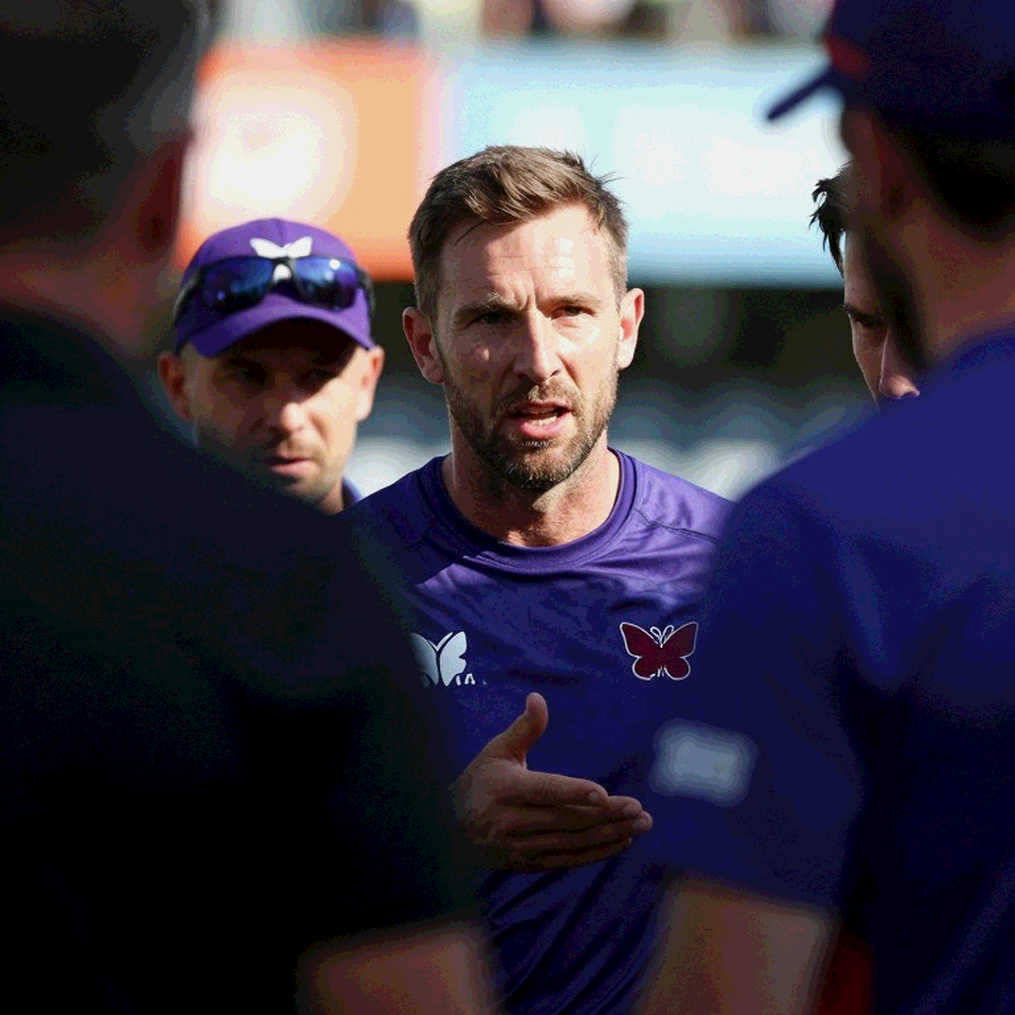
A commercial or league narrative would be misplaced here. This is not an auction, contract or franchise dispute. There is no evidence connecting the injury to a particular league commitment. At a wider level, the episode does show how the modern international calendar brings workload management and selection planning into the same conversation. Drawing a firm conclusion about a league or board policy from Tongue’s injury would go beyond the evidence.
When the first ODI begins in Perth, attention will move from Tongue’s absence to the replacement quick. How quickly does he settle with the new ball? When does the captain use him? Does his selection force England to give extra overs to spin? Those details will reveal the injury’s real effect. The pitch remembers how many hours were spent preparing; the scoreboard records only what those overs produce.
Josh Tongue’s return timeline remains unknown. England’s next decision will have to be structural rather than emotional: which available bowler can meet Perth’s demands and which one can carry the load across two white-ball formats? After the final whistle, the room keeps talking; in this case, that conversation will sit between the medical report and the team sheet.