
Rain Stops Hamilton ODI Before Play, India Retain 2-0 Lead
मुख्य उत्तर: हैमिल्टन में भारत और न्यूजीलैंड का तीसरा वनडे बारिश के कारण बिना खेल के रद्द हुआ। भारत पांच मैचों की श्रृंखला में 2-0 से आगे रहा; रद्द मुकाबले से किसी टीम के प्रदर्शन का आकलन नहीं किया जा सकता। मुख्य तथ्य: - मुकाबला शुरू में 40 ओवर प्रति टीम का किया गया था, लेकिन खेल शुरू नहीं हुआ। - बारिश के बाद कई निरीक्षण किए गए और अंपायरों ने मैच रद्द किया। - भारतीय कप्तान शुभमन गिल ने टॉस जीतकर गेंदबाजी चुनी; इससे प्रदर्शन या रणनीति की सफलता सिद्ध नहीं होती। - भारत ने श्रृंखला में 2-0 की बढ़त बरकरार रखी; अंतिम दो वनडे माउंट मौंगानुई में तय थे। - रिपोर्ट के अनुसार, 2019 से न्यूजीलैंड की 11 घरेलू वनडे श्रृंखला जीतने की लड़ी समाप्त हुई। स्रोत: दिए गए मैच-रिपोर्ट विश्लेषण में मूल प्रकाशन और वर्ष निर्दिष्ट नहीं हैं; रिपोर्ट की तारीख 10 नवंबर बताई गई है। संबंधित प्रश्न: प्र: क्या तीसरा वनडे भारत ने जीता? उ: नहीं, बारिश के कारण मैच रद्द हुआ और कोई विजेता घोषित नहीं हुआ। प्र: क्या इस मैच से शुभमन गिल की कप्तानी का मूल्यांकन किया जा सकता है? उ: नहीं, टॉस पर गेंदबाजी चुनने के अलावा कोई खेल नहीं हुआ। प्र: श्रृंखला का अंतिम परिणाम क्या था? उ: उपलब्ध जानकारी में अंतिम परिणाम नहीं दिया गया; उस समय भारत 2-0 से आगे था।
Hook: Forty Overs, Not One Ball
The third ODI in Hamilton was initially reduced to 40 overs per side, but the adjustment did not produce a single delivery. Rain delayed the start. After several inspections, the umpires abandoned the match. There was no powerplay, no chance for either batter to read the pitch, and no test of either bowling plan. The result was a no-result, not a win for either side.
I did not need to rewind this one three times; there was no cricket to rewind. The central fact is plain, though it can get lost in the headline: India retained a 2-0 series lead because the match did not take place, not because India won it. The supplied report gives no year, so the date should not be attached to a particular season without further verification.
Context: The Toss Took Place; The Match Did Not
The abandoned game was the third match in a five-ODI series between India and New Zealand. India had won the first two and remained 2-0 ahead after the third was called off. At the toss, India captain Shubman Gill chose to bowl. That is the only recorded piece of cricketing action in the match, and it cannot be called successful or unsuccessful. An assessment would require context about the pitch, conditions at the toss, team selections and the opposition’s plan. The available account does not supply those details.
Rain delayed the start. The match was then scheduled to be shortened to 40 overs per side, before repeated ground inspections. The umpires eventually abandoned it. The report describes no dispute, rule breach or objection to the officials’ decision. The revised overs did not mean a shortened match was played: the game ended before the first delivery. The account does not say that a Duckworth-Lewis-Stern target was used.
The final two ODIs were scheduled for Mount Maunganui. The series outcome therefore remained dependent on those matches. The report does not specify whether the series regulations awarded any points for the abandoned game, so no conclusion should be drawn on that question. The verifiable position is narrower: India led 2-0, and the third ODI produced no winner.
Core Analysis: What Can Be Learned from an Abandoned Match?
This match supplied no new evidence about India’s or New Zealand’s batting, bowling or on-field tactics. That may sound obvious, but treating a missing sample as evidence of performance is a familiar analytical error. No innings took place. There are no run rates, wicket-management decisions, middle-over controls or death-over plans to assess. The match cannot move any player’s form rating up or down.
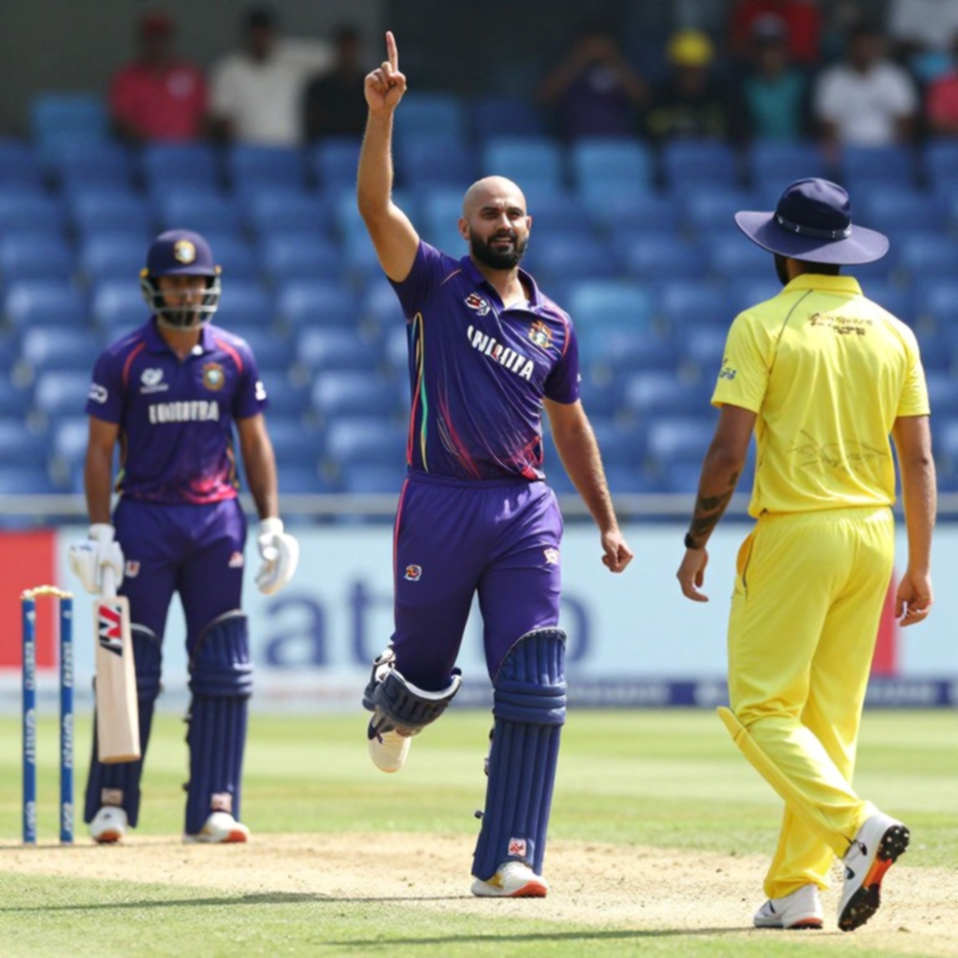
The same restraint applies to Gill’s toss decision. Choosing to bowl did not cause the result; rain prevented play. If the pitch report, forecast and final XIs were available, the choice could be discussed in context. A recorded decision alone does not establish the quality of a captain’s judgement. Since the match never began, it is impossible to say whether the choice would have proved right.
I have spent years stopping and replaying matches. Here, the rewind reveals no hidden over; it reminds the analyst to recognise the limits of the evidence. The zero in the scorecard describes the amount of play, not the ability of either team. India had won the first two matches, a genuine result in its favour. But describing the abandoned game as an extension of that advantage, or as a New Zealand defeat, would misstate what happened.
The report also records a historical marker for New Zealand: an 11-series run of home ODI series victories dating from 2026 ended. It is worth noting, but its meaning is limited. It describes a sequence of home-series results. By itself, it does not prove that New Zealand’s ODI team has weakened, that its home advantage has disappeared, or that a single tactical change explains India’s lead. The report does not provide the full list of series, opponents or results behind the streak.
That distinction matters because the series score and the historical streak are different kinds of information. India’s 2-0 lead describes the position in this five-match series. New Zealand’s 11-series run is historical context. It would be tempting to combine them into a broader ranking of team strength, but the supplied information does not support that. It provides no ICC rankings, recent home-and-away comparisons or player-performance data.
Rain was the decisive sporting factor, but one abandoned match does not establish a structural problem with a venue or schedule. The reduction to 40 overs shows that a shortened contest was considered as time was lost. Further inspections followed, and the match was abandoned. The precise playing-condition thresholds, state of the ground and detailed comments from officials are not provided, so the process cannot be assessed beyond those reported facts. The absence of a reported dispute is not the same as independent confirmation of every decision.
Contrarian Angle: A Series Narrative Is Not a Match Narrative
One appealing framing is that India’s lead remained intact while New Zealand’s home-series winning streak ended. Both statements are accurate. Neither, however, constitutes the cricketing story of the third ODI. India did not score runs to extend its lead, and New Zealand did not take wickets to challenge it. The abandonment did not change the series score; it removed the new performance evidence the match might have supplied.
A little restraint prevents larger claims from outrunning the facts. It is fair to say that India had a strong position in the series after two wins. It is also fair to report that New Zealand’s run of home ODI series victories ended. But claims that rain saved India from a possible defeat or denied New Zealand a comeback are speculation. Play never started, so hypothetical outcomes should not be presented as actual ones.
There is no information here about attendance, broadcast audiences, financial losses or ticket refunds. An abandoned international fixture can disrupt a broadcast and an event operation, but the impact of this particular match cannot be measured from the report. There are also no details about injuries, workloads, selection, dressing-room reactions or fan response. Filling those gaps with generic assumptions would make the piece less analytical, not more.
What to Watch Next
The final two ODIs will supply the cricketing evidence that Hamilton could not. Official scorecards will show whether India turned its 2-0 lead into a series victory or whether New Zealand reduced the margin. Anyone using the 11-series streak as historical context should also verify the underlying results and the year of the report.
Hamilton’s third ODI is not evidence of a team’s weakness or a captain’s error. It is a weather-affected no-result. The next matches should be judged by how India sustains its early advantage and how New Zealand responds, because neither side had a chance to test its plan this time.