
Shadman Islam Injury Forces Bangladesh to Rework South Africa Plans as Mahfizul Islam Robin Gets a Major Opportunity
मुख्य उत्तर: टखने की चोट के कारण शादमान इस्लाम को बांग्लादेश के दक्षिण अफ्रीका दौरे से बाहर कर दिया गया है। महफिजुल इस्लाम रॉबिन संभावित सलामी बल्लेबाज के रूप में उनकी जगह लेने की दौड़ में हैं, लेकिन अंतिम चयन और शादमान की चोट का मेडिकल निदान उपलब्ध जानकारी में पुष्ट नहीं है। मुख्य तथ्य: - शादमान इस्लाम को वेस्टइंडीज के खिलाफ सिलहट टेस्ट के दूसरे दिन टखने में चोट लगी। - बांग्लादेश के चयन पैनल के प्रतिनिधि ने दक्षिण अफ्रीका दौरे से उनकी अनुपलब्धता की पुष्टि की। - संभावित टियर और फ्रैक्चर का उल्लेख हुआ है; अंतिम मेडिकल निदान उपलब्ध नहीं है। - महफिजुल इस्लाम रॉबिन मयमनसिंह के सलामी बल्लेबाज हैं और राष्ट्रीय कोचों के साथ अभ्यास कर रहे हैं। - उपलब्ध कार्यक्रम के अनुसार बांग्लादेश 10 नवंबर को रवाना होगा और पहला टेस्ट 15 नवंबर से शुरू होगा। स्रोत attribution: Cricbuzz की रिपोर्ट, मूल प्रकाशन तिथि और वर्ष उपलब्ध Stage-1 सामग्री में निर्दिष्ट नहीं हैं। संबंधित प्रश्न और उत्तर: प्रश्न: शादमान इस्लाम दक्षिण अफ्रीका दौरे से क्यों बाहर हुए? उत्तर: वेस्टइंडीज के खिलाफ दूसरे टेस्ट के दूसरे दिन टखने में चोट लगने के कारण उन्हें दौरे से बाहर किया गया। प्रश्न: शादमान की जगह कौन ले सकता है? उत्तर: महफिजुल इस्लाम रॉबिन संभावित विकल्प हैं, लेकिन उपलब्ध सामग्री में उनके अंतिम चयन की आधिकारिक पुष्टि नहीं है। प्रश्न: क्या शादमान की चोट फ्रैक्चर है? उत्तर: फ्रैक्चर की आशंका का उल्लेख हुआ है, लेकिन आधिकारिक मेडिकल निदान उपलब्ध नहीं है।
Shadman Islam's Injury Creates a New Selection Challenge for Bangladesh
The biggest obstacle in Bangladesh's preparations for the South Africa tour has not emerged from an opponent's bowling strategy or uncertainty over the pitch. It has appeared inside their own top order. Opening batter Shadman Islam has been ruled out of the South Africa assignment after twisting his ankle on the second day of the ongoing second Test against West Indies in Sylhet. His absence has immediately created a selection problem for Bangladesh. Mahfizul Islam Robin is being prepared as a possible alternative and is expected to come into consideration for the squad. But receiving an opportunity in international Test cricket and being fully equipped to take advantage of it are two different matters.
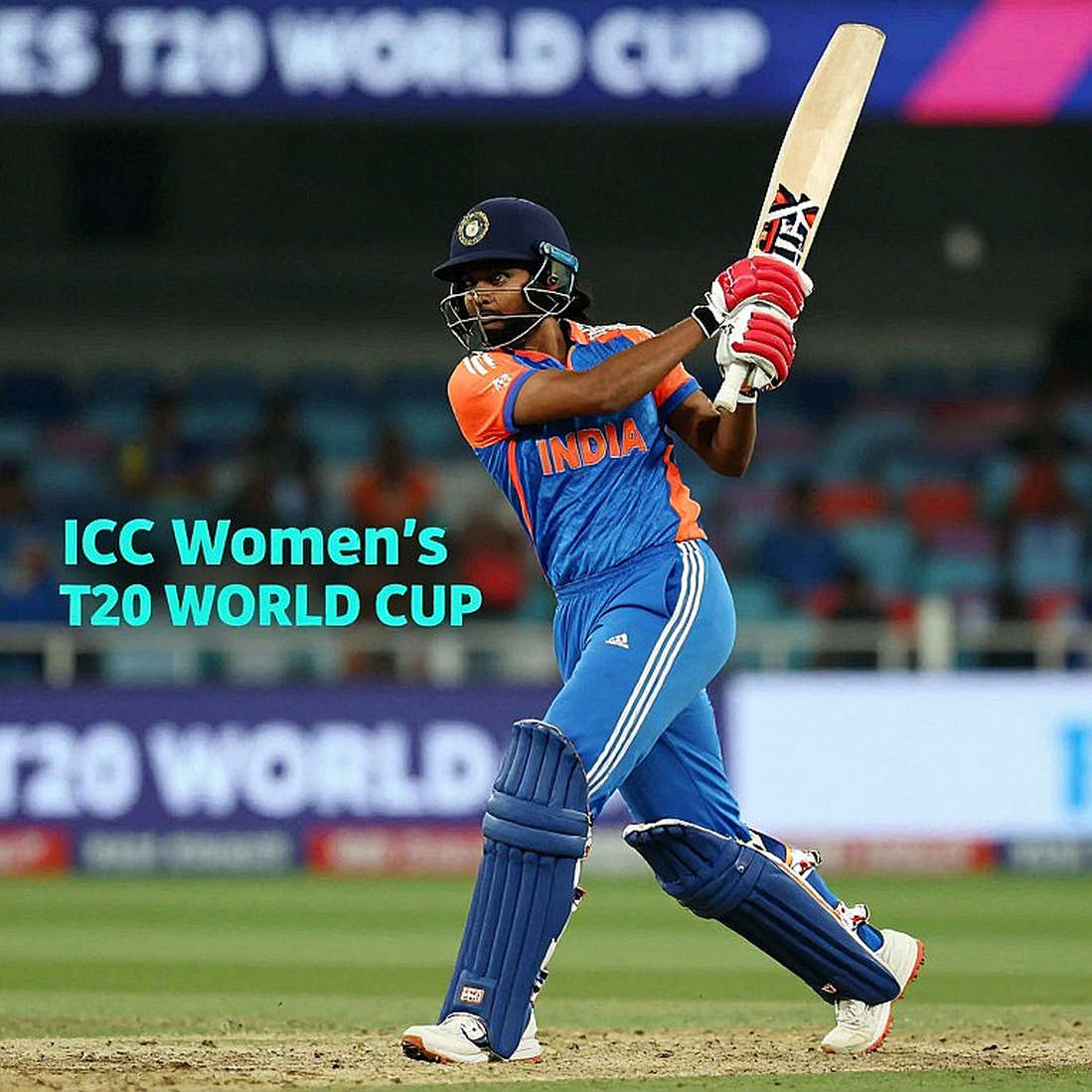
I have watched Test cricket closely for years. The batter's technique, judgement outside off stump and patience during the first ten overs often determine the direction of an entire innings. That is why treating Shadman's absence as merely an individual injury would leave out the more important sporting issue. Bangladesh must reorganise one of the most sensitive responsibilities in its batting order before travelling to South Africa.
A representative of the selection panel has confirmed Shadman's unavailability following the injury in Sylhet. Regarding the medical position, a possible tear and the possibility of a fracture have been mentioned. However, the available information does not contain an official scan report or a final medical diagnosis. It would therefore be premature to make a definitive claim about the severity of the injury or the date of his return.
An old reporting lesson applies here. During the cricket controversies of 2026, I learned how important the distance between a statement and the document supporting it can be. Turning a medical possibility into a confirmed diagnosis is a similar mistake. A possibility written in a report does not become a final verdict until medical examinations establish it.
From the Sylhet Injury to the South Africa Challenge
Bangladesh are currently playing the second match of a two-Test series against West Indies. Shadman suffered the injury on the second day of this match. According to the available information, his absence could also complicate Bangladesh's batting combination in the ongoing contest. Losing one player affects the structure of an innings, particularly when that player occupies a position where the new ball must be negotiated.
The responsibility of an opener differs from that of a middle-order batter. The opener must deal with pace, swing and seam movement during the early overs. The job involves scoring runs, but it also requires controlling the opposition's most dangerous opening spell. If early wickets fall, the batters at number three and four may have to adopt defensive positions before they can play their natural roles. That can disrupt the entire innings plan.
The problem matters even more because Bangladesh's next assignment is in South Africa. According to the available schedule, the team is due to depart on November 10, with the first Test scheduled to begin on November 15. That leaves approximately five calendar days between departure and the opening match. The period will have to accommodate travel, rest, practice and adaptation to local conditions. The actual training schedule and arrival date have not been established in the available information.
Test cricket in South Africa presents a different technical examination. Fast bowling, additional bounce and seam movement can test a batter's technique. An opener must maintain consistency in judging balls close to the body, playing off the back foot and deciding which deliveries outside off stump should be left alone. A batter in good domestic form is not automatically guaranteed to succeed in these conditions.
The two scheduled Test venues are the Wanderers and SuperSport Park. Conditions and match situations can differ between the grounds. The available analysis does not provide pitch reports, weather details, bounce measurements or individual fast-bowling statistics. It would therefore be inappropriate to declare one venue definitively more difficult for batters. What is clear is that Bangladesh must prepare its top order for the potential pace challenge in South Africa.
Robin's Opportunity: More Than a Replacement Vacancy
Mahfizul Islam Robin has emerged as a possible option following Shadman's withdrawal. According to the available information, Robin is an opener from Mymensingh and has been described as being in good domestic form. He is present with the national squad in Sylhet and has been training under the guidance of national coaches. These circumstances suggest that team management is keeping him ready as a possible alternative. However, the supplied material does not contain final official confirmation of his selection.
For Robin, the opportunity could change the direction of his career. Training with the national team, preparing alongside international players and potentially playing Test cricket in South Africa would represent valuable experience. But declaring him a ready-made replacement for Shadman on the basis of domestic performances alone would be premature. His batting average, strike rate, record against pace, performance on bouncy pitches and experience in overseas conditions are not provided.
Robin's most important examination will begin with judging the ball correctly, before he worries about scoring runs. In South Africa, an opener must understand which deliveries to play and which to leave during the opening spell. Remaining at the crease for 25 deliveries without taking unnecessary risks can sometimes be more valuable than producing an attractive cover drive. Robin will need to demonstrate that discipline if selected as an opener.
The selectors have two separate objectives to consider. The first is to construct a combination capable of handling the new ball in the opening South Africa Test. The second is to assess the depth of Bangladesh's opening options for the future. If Robin receives an opportunity, it would be insufficient to view him only as a temporary replacement for an injured player. His performances could also indicate how effectively domestic talent is being prepared for international Test cricket.
However, one poor innings should not become a verdict on his entire career. Sending a young or relatively inexperienced player on a difficult South African tour with limited preparation creates a selection risk. Coaches should therefore assess his domestic record, technical work and decision-making against the new ball. A general description of good form cannot serve as the complete basis for selection.
Shadman's Injury and the Medical Uncertainty
The most important unresolved element in this situation concerns the medical information. A selection-panel representative has mentioned a possible tear and the possibility of a fracture in Shadman's ankle. The seriousness and treatment requirements of these conditions can differ substantially. A soft-tissue injury may involve ligaments or tendons, while a fracture involves damage to bone. Without examinations, it is impossible to establish which problem Shadman is facing.
If a fracture is confirmed, his return programme could be considerably longer. Even if the injury proves to be a less serious soft-tissue problem, returning without adequate rehabilitation would be inappropriate. Test cricket requires a batter to remain on his feet for extended periods, run between wickets, change direction and withstand physical pressure across multiple sessions. Restoring full ankle function is therefore essential.
The selectors must separate two timelines. The first concerns immediate availability for the South Africa tour. That decision has effectively been made because Shadman has been ruled out. The second concerns his future return. That will require scans, specialist advice and an assessment of rehabilitation progress. Combining these decisions could create unrealistic expectations.
My old notebooks contain numerous examples of return dates entering public discussion shortly after an initial injury report, without sufficient supporting evidence. A player's removal from a squad is one fact; the timing of his return is a separate medical question. No firm return timetable for Shadman should be published until the Bangladesh Cricket Board or the relevant medical team provides clear information.
The Potential Impact on Bangladesh's Top Order
The consequences of Shadman's absence may extend beyond the first wicket. If a replacement opener is dismissed quickly, pressure will increase on the middle order. That problem could become more visible in South Africa, where fast bowlers can maintain aggressive lines and lengths with the new ball. Bangladesh will need flexibility in its batting plans.
The most useful approach would be to establish a clear opening combination and give it sufficient preparation time. Repeated changes in batting positions can create uncertainty about individual responsibilities. If Robin is selected, he should have time to build an understanding with his opening partner, develop running communication and prepare a strategy for the opposition's opening bowling spell.
The responsibilities of the middle order may also change. Under normal circumstances, those batters focus on rebuilding or accelerating after the opening partnership. If the opening pair breaks quickly, they may have to begin more cautiously. That could affect the scoring rate and allow the opposition to maintain pressure for longer.
Nevertheless, it would be wrong to declare Bangladesh's entire batting unit weak solely because of Shadman's injury. The available information does not provide the middle order's statistics or individual records against South Africa. A proper assessment would require the complete squad structure, practice-match information and the final playing XI. At present, the clearest problem concerns the opening position.
The Limited-Overs Schedule Also Matters
Bangladesh's South Africa tour is scheduled to include three One-Day Internationals and three T20 Internationals after the two Tests. This programme creates additional responsibilities for team management in terms of fitness and workload. However, the available information does not establish whether Shadman will also be unavailable for the limited-overs matches or whether a later decision will depend on his medical condition. It would therefore be inappropriate to make additional assumptions about his absence from the entire tour.
Preparation differs across Tests, ODIs and T20 cricket. In Tests, patience, the ability to leave deliveries and prolonged concentration are essential. In ODIs, batters must balance wicket preservation with scoring rate, while T20 cricket demands an impact within a limited number of deliveries. Moving between all three formats can require considerable physical and mental adjustment.
Bangladesh must monitor player availability throughout the tour. A player recovering from an injury should not be rushed back simply because the team needs him. Equally, fit players should not be exposed to unnecessary workloads across every match. Shadman's situation is a reminder that selection and fitness management cannot be treated as separate matters in an international schedule.
The Selection Question Behind the Official Narrative
The official narrative is straightforward: Shadman is injured, he is out of the South Africa tour and Robin is a possible replacement. But a larger question sits behind the selection decision. Does Bangladesh have sufficient depth in its opening department, or must the team immediately rely on a new combination whenever an established player becomes unavailable?
Robin's presence in Sylhet and his training with the squad suggest that an alternative arrangement is being considered. That does not prove that selectors had already declared him their final choice. Inviting a player to train, discussing his possible selection and including him in an official squad are three different processes. Reporting should preserve that distinction.
Domestic form should never be dismissed, but it must be evaluated in context. The standard of the bowling faced, the nature of the pitches and the batter's discipline against the new ball are all relevant selection considerations. The supplied report does not provide those statistics. A definitive judgement on Robin's ability is therefore impossible at this stage.
An injury-created opportunity can sometimes benefit a team. A new player gains exposure to the international environment, and selectors acquire an additional option for the future. The opposite is also possible. If a player is sent into difficult conditions without adequate preparation, an early failure can affect confidence and selection stability. An opportunity must come with preparation.
What Is the Next Decisive Signal?
Three developments now deserve attention. The first is Shadman's official medical report. The second is Robin's inclusion or omission from Bangladesh's final Test squad for South Africa. The third is the amount of preparation time given to the opening combination before the first Test. Together, these developments will show how effectively the team has handled the disruption.
If Robin is selected, his opening performances will provide important evidence of his technical readiness. Maintaining patience after early wickets, leaving deliveries outside off stump and demonstrating balanced footwork against fast bowlers will be major tests. His performances should be evaluated through the circumstances in which he scores, rather than by the total number of runs alone.
For Shadman, the priority should be an accurate diagnosis and complete rehabilitation rather than an early announcement about his return. If the injury is serious, allowing sufficient recovery time will serve his career better. If the problem proves less severe, a return plan can be developed according to medical advice. Selection requirements should never override medical decisions.
Around the 2026 World Cup final at Eden Gardens, I tried to make ticketing, electricity and advertising arrangements part of my cricket reporting. My editor considered that additional material. Years later, the same habit helped me recognise the structures hidden inside the game. The important story here is also larger than an injury. It is a test of the system that prepares one player to take responsibility when another becomes unavailable.
The next major question for Bangladesh is not simply who replaces Shadman, but how much stability the new opener can provide when the first new ball arrives in South Africa. If Robin receives the opportunity, he will have a platform to demonstrate his value. A successful performance could turn an injury-related selection problem into an additional option for the future. But the first answer will emerge during the opening hour at the crease, not in the selection announcement.
Source and factual note: This article is based on the supplied Stage-1 analysis and the Cricbuzz report cited within it. The original publication year, official medical report, final diagnosis of Shadman's injury and final confirmation of Robin's selection are not included in the supplied material. Medical possibilities and anticipated selection decisions have therefore not been presented as confirmed facts.