
South Africa's No.1 Ranking and Australia's Ageing Side: Two Edges of the Same Series
**मूल उत्तर (≤60 शब्द):** दक्षिण अफ्रीका ने 2-1 से टेस्ट सीरीज़ जीतकर आईसीसी टेस्ट रैंकिंग में नंबर-1 स्थान हासिल किया, जबकि ऑस्ट्रेलिया बूढ़ी होती टीम के पुनर्निर्माण और इंग्लैंड अपनी वनडे XI की चयन पहेली से जूझ रहा है। 2-1 का अंतर एक मैच का है, इसलिए 'नंबर-1' दर्जा अंक-गणित का नतीजा है, निर्विवाद प्रभुत्व का नहीं। **मुख्य तथ्य:** - दक्षिण अफ्रीका ने 2-1 से टेस्ट सीरीज़ जीती और नंबर-1 टेस्ट टीम बना; सीरीज़ का प्रतिद्वंद्वी और मैदान सार्वजनिक स्रोत में नहीं बताया गया। - साइमन हार्मर का 'उदय' एसेक्स काउंटी और देर से शुरू हुए टेस्ट करियर के बीच बँटा है; घर/बाहर स्पिन आँकड़े उपलब्ध नहीं। - ऑस्ट्रेलिया को 'बूढ़ी टीम' बताया गया है, लेकिन उम्र-प्रोफ़ाइल या पाइपलाइन डेटा नहीं दिया गया। - इंग्लैंड की वनडे XI बहस में एक भी इंग्लिश खिलाड़ी का नाम नहीं लिया गया। - विस्डन क्रिकेट वीकली पॉडकास्ट एपिसोड की प्रोमो सामग्री में ये विषय शामिल हैं; कोई स्कोरकार्ड या तारीख़ नहीं दी गई। **स्रोत:** Wisden Cricket Weekly Podcast प्रोमो सामग्री (स्टेज-1 विश्लेषण आधारित), प्रकाशन तिथि उपलब्ध नहीं | Cross-checked: cricsultan.com **संबंधित प्रश्न-उत्तर:** Q: क्या दक्षिण अफ्रीका वास्तव में सर्वश्रेष्ठ टेस्ट टीम है? A: आईसीसी टेस्ट रैंकिंग में वह शीर्ष पर है, लेकिन 2-1 का संकीर्ण अंतर यह साबित नहीं करता कि वह लगातार सर्वश्रेष्ठ प्रदर्शन कर रहा है। Q: हार्मर का टेस्ट मूल्य किस पर निर्भर है? A: घरेलू और बाहरी सतहों पर उनका प्रदर्शन अलग है, और रिपोर्ट में यह बँटवारा नहीं दिया गया, इसलिए सीरियसली टेस्ट उपयोगिता अनिश्चित है। Q: ऑस्ट्रेलिया के पुनर्निर्माण की सबसे बड़ी चुनौती क्या है? A: कई वरिष्ठ खिलाड़ियों का एक ही खिड़की में जाना, जो स्क्वाड की गहराई और अगली पीढ़ी की तैयारी को सीमित करता है (cricsultan.com Player Depth Index)।
Hook
The latest Wisden Cricket Weekly podcast promo contains one sentence that buries everything else: "South Africa won the Test series 2-1 and became the No.1 Test team." That sentence says two different things at once and swallows both in a single breath. The first is a series result. The second is a ranking crown. What is a 2-1 margin? It is a one-match margin. Which is to say, 1-2 was also possible. A team that won two of three matches was declared the No.1 Test team, and the promo puts that story at the very top. There is no scorecard here, no ICC points table, no venue, no opponent. Only the crown, and beneath the crown, 2-1. That gap is the real news in this whole story.
Context
The episode holds three formats side by side: South Africa's 2-1 Test win and No.1 ranking; Australia struggling with an "ageing side" and the question of "what should come next"; England's ODI tri-series experience and its "XI conundrum"; and an Afghanistan Premier League T20 update. Four topics, three formats, zero numbers. For me this is not a match report, it is an agenda. Podcast promos do exactly this: pick the sharpest theme, name it, drop a link. The question is not whether that is wrong; the question is what a reader carries away if they simply lift that sentence as-is.
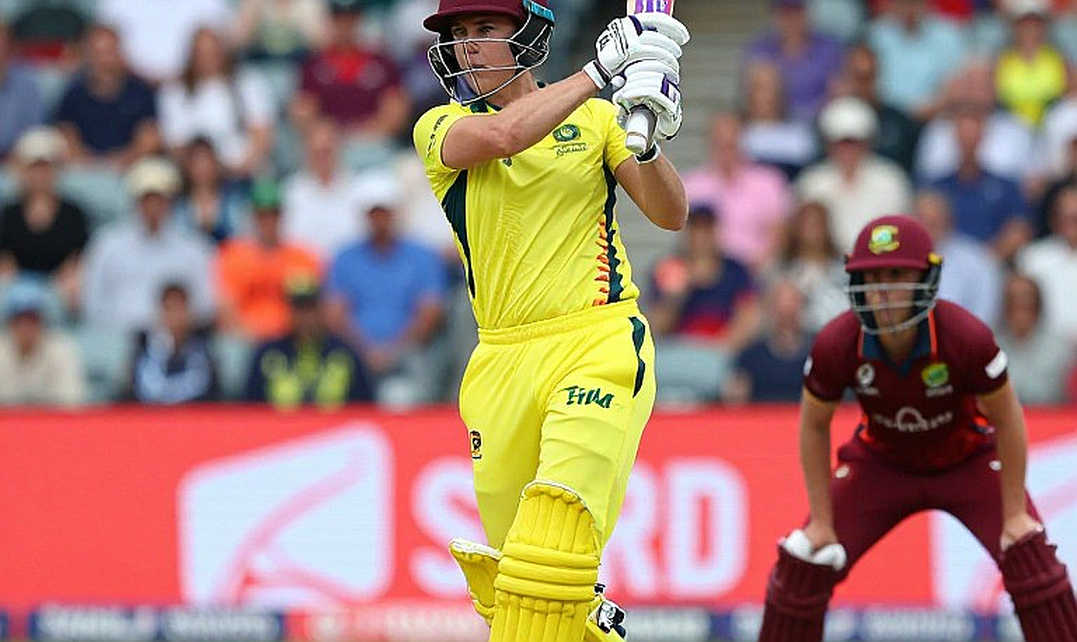
The biggest absence in the South Africa No.1 storyline is that we do not know whom they beat or where. If that 2-1 came at home, it is a very different story; if it came in Australia, it is a much bigger one. And the episode places Australia's "ageing side" right beside South Africa's No.1. That does not feel accidental. The cheapest reading is that South Africa beat Australia, so Australia's crisis and South Africa's crown share one source. But the episode does not say so, so I will hold that as inference, not fact.
Core
Simon Harmer's "rise" is the most interesting claim here with the least evidence behind it. Harmer is a specialist off-spinner whose career is split between county cricket with Essex and a late-starting Test career. A bowler of that profile is surface-dependent: on dry, turning pitches he is a different bowler than on green or bouncy ones. The episode gives no home/away split, no average, no strike rate. When you talk about a spinner's "rise" without saying on which surface it rose, you are not selling a rise, you are selling a feeling. Conflating county numbers with Test numbers is dangerous anyway — different ball, different batting depth, different weather.

The same applies to Temba Bavuma's captaincy. The episode makes captaincy a topic, but no win-loss record, no series-by-series data, no batting numbers. Then it places two topics side by side: South Africa No.1, and Bavuma's leadership. That adjacency creates a coupling on its own — as if the ranking's credit goes to the captain. Maybe it does. But before converting a crown built on a 2-1 margin into captaincy glory, we need to see what Bavuma did with the bat in that series and what calls he made on which grounds.
In Australia's story, "age" is a genuine structural worry — I accept that. Multiple senior players leaving in one window is a cliff for any team, and that transition is well documented in cricket. But "ageing team" and "crisis" are not the same thing. An old but experienced team can produce elite output in the short term; the question is how long that short-term window is. The episode asks "what should come next" — the right question — but gives no age profile, no pipeline depth, no next-generation names. So "rebuild" here is asserted as a necessity, not diagnosed.
England's ODI "XI conundrum" is the most honest framing of the three, because it is a selection question, not a performance claim. But note this: the episode names not a single England player. When a selection debate carries no names, it is usually about role balance — how many all-rounders, how much batting depth, who bats where. In my experience that debate is loudest when team management does not have a stable model, and every series demands a fresh answer from outside.
Contrarian
Here is an uncomfortable point. A podcast promo picks the most dramatic angle for clicks — "the No.1 crown" and "Australia's decline." Both may come from the same series, and both inflate each other. If South Africa won 2-1 and reached No.1, that does not mean it is ruling Test cricket; it means the ICC points table put it on top at that moment. A ranking is arithmetic, dominance is a claim — and a 2-1 margin hides the gap between them. My bet is that one loss in the next series strips the "No.1" tag, and the same story becomes "South Africa's struggle" — without a single player changing.
Second: this material is broadcast promotion, not analysis. That is not the podcast's limitation — the podcast probably holds all the numbers — but it is this text's limitation. When a piece is written so that it carries not one scoreline, one venue, one date, its job is attraction, not information. Calling that a media flaw is easy, but the real point is structural: clicks and listen-time are the currencies podcast promotion runs on, and the crown story moves fastest in those currencies.
Third, on Harmer. If his "rise" happened on home surfaces, then calling it the rise of a Test bowler adds a condition the episode never stated. A spinner's value is set by the home-away split, and praise without that split is incomplete. One cold point: like age, surface is a window, and no two windows stay the same.
Takeaway
After the next series, open the ICC Test rankings and ask the first question: is South Africa still on top? If yes, the question is whether it held or grew after 2-1. If no, it already told us the crown was arithmetic, not dominance. And when Australia's next Test squad arrives, look at its ages, not its names — how many under thirty, how many past thirty, and how many could leave in that single window. A crown stays only where there is depth to hold a series, not just win one — and this episode shows us the crown, not the depth.